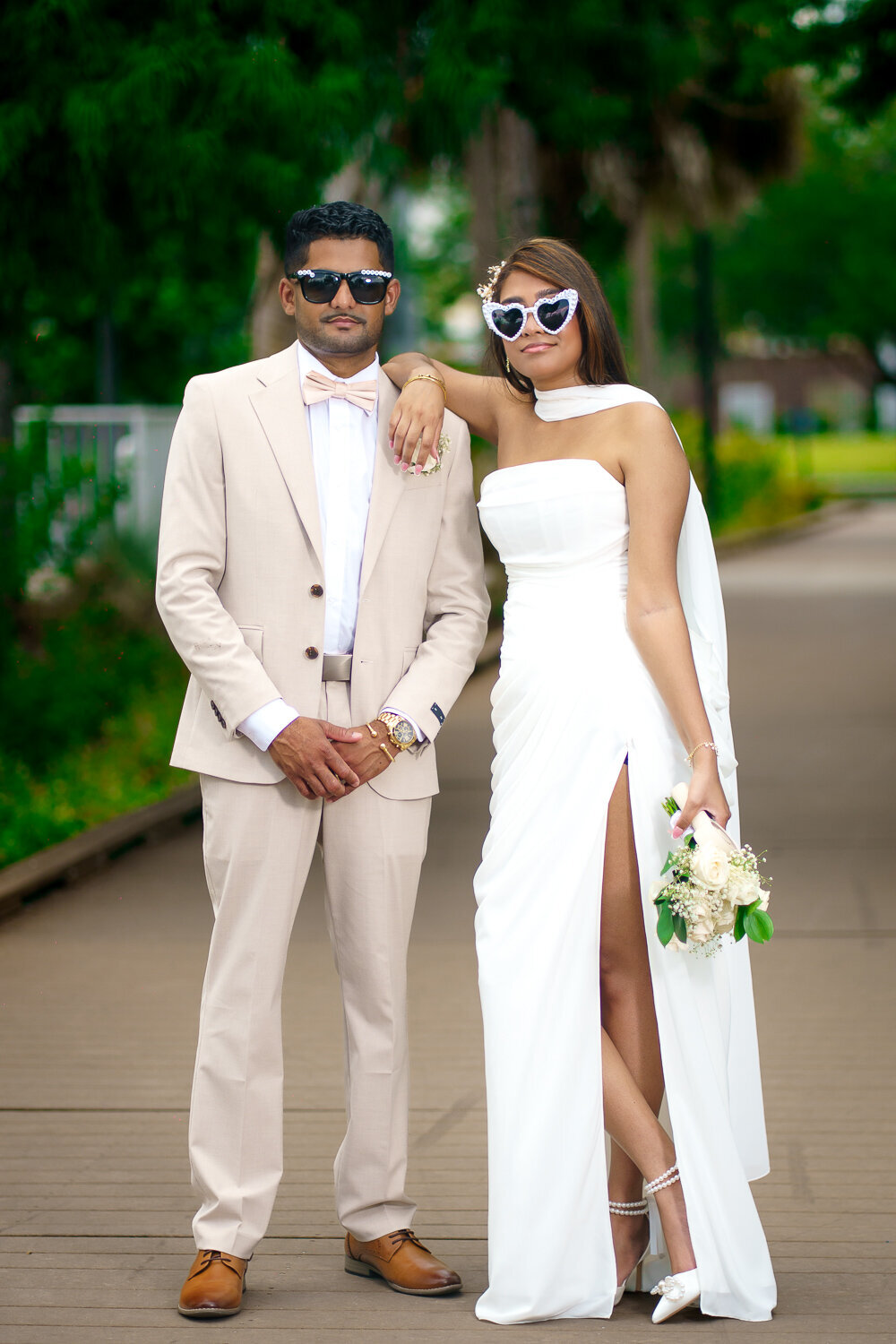
Short answer: when your planner, coordinator, photographer and videographer work from the same timeline, nobody is guessing. The ceremony starts on time, the photos happen when the light is right, and you don't spend your wedding morning texting four different vendors. At Marvelous Moments, Cynthia plans and coordinates, and she leads our photo and film team on the day. That's four services from one team, so you can stop managing and start enjoying.
I've seen weddings from both sides. Marvelous Moments started as a wedding planning business, before I ever picked up a camera, and the camera came later because we needed to show what we were building. So I know what happens when the planner and the photographer have never met.
What goes wrong when your vendors don't know each other
- The timeline lives in three places. The planner has one version, the photographer has another, and the DJ has whatever was in the last group chat.
- Photos get squeezed. When the schedule slips, family portraits and couple photos are the first things cut, usually without anyone asking you.
- You become the coordinator. Brides end up answering "where should we be?" on their own wedding day.
- Multi-day weddings multiply the problem. A Guyanese or Trini weekend can run from the maticoor (matikor) and haldi through the ceremony, the reception and the kangan. That's four or five setups, guest lists and timings, and every gap between vendors shows up on camera.
Cynthia has watched this happen. At a recent wedding, the hired planner hadn't arrived yet, and things were going wrong at the venue. Staff were searching for the person in charge. Cynthia was already there with our photo and film team for the getting-ready shots, so the questions came to her instead. "Because I'm part of the photo video team, I'll be present for literally everything," she says. "I'll get there earlier than another coordinator, because I'm part of two teams."
I've seen the other side of this too. At weddings with no coordinator, the coordination falls on the photographer by default, because we need our shots. Suddenly I'm the one calling out, "Where's the bride's family? Where's the groom's family? Let's get a group photo," then sending everyone to eat, then bringing them back for the reception. Between the DJ and the photographer, we end up running the show. At one wedding, the DJ's speakers blew right before the entrance. No sound, and a two-hour delay while they got it working again.
Weddings today are full productions: decor, a DJ, photo and film, catering, sometimes event content creators too. A coordinator is the middleman who talks to every vendor while each of us does our own job.
Want planning, photo and film from one team? See the Marvelous Experience →
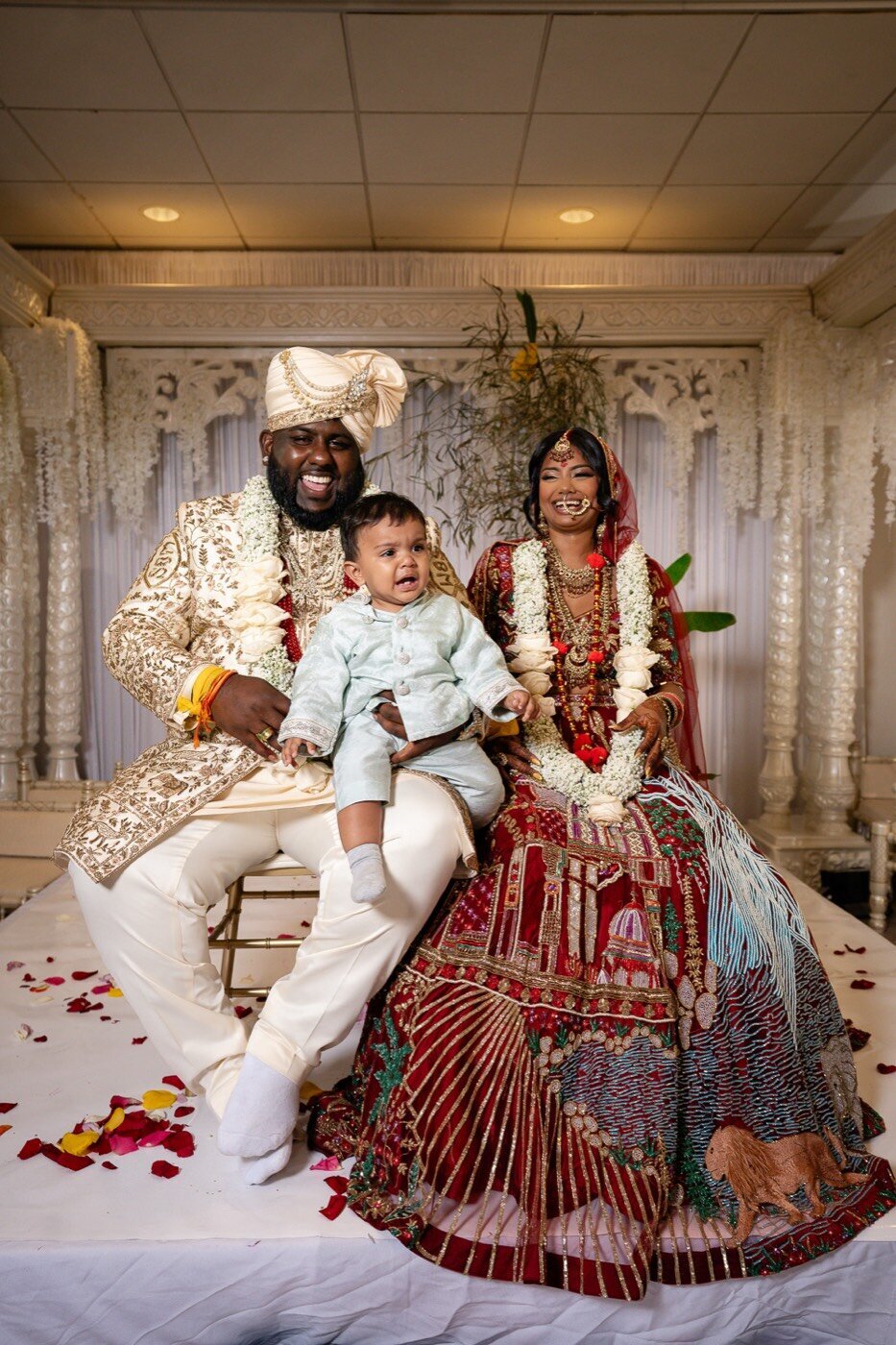
What changes when it's one team
- One timeline, built around your traditions. Cynthia builds it with your pundit (or pandit), your priest or your officiant, and our camera team works from that exact plan.
- Every shot is planned in. Because Cynthia leads the photo and film team, she knows when to pull you away for ten minutes of golden-hour portraits, and she makes the time for it.
- Nothing gets lost between events. On a multi-day wedding, the team that filmed your mehndi already knows your family by the wedding morning.
- You stay present. Your mom gets to be a guest, not a stage manager.
In Cynthia's words: "A regular coordinator is going to make sure you have a photo hour, and they get the couple there. But they don't have the eye I have, because I've already done the photos. I've edited the photos. I'll sit down with the couple and know, 'That light box or that smoke machine is going to be in the way, and the photographer will have to edit it out later.' When I'm the coordinator, I'm also the photo video team. So I'm double- and triple-checking that you're getting the best quality in your photos and film. You won't get that hiring two separate teams."
One-day weddings need it too
You don't need a four-day wedding to feel the difference. A single-day church or civil wedding still has hair and makeup, a first look, a ceremony, family photos, a cocktail hour and a reception. When the people running the day are the same people capturing it, those hours flow into each other instead of fighting each other.
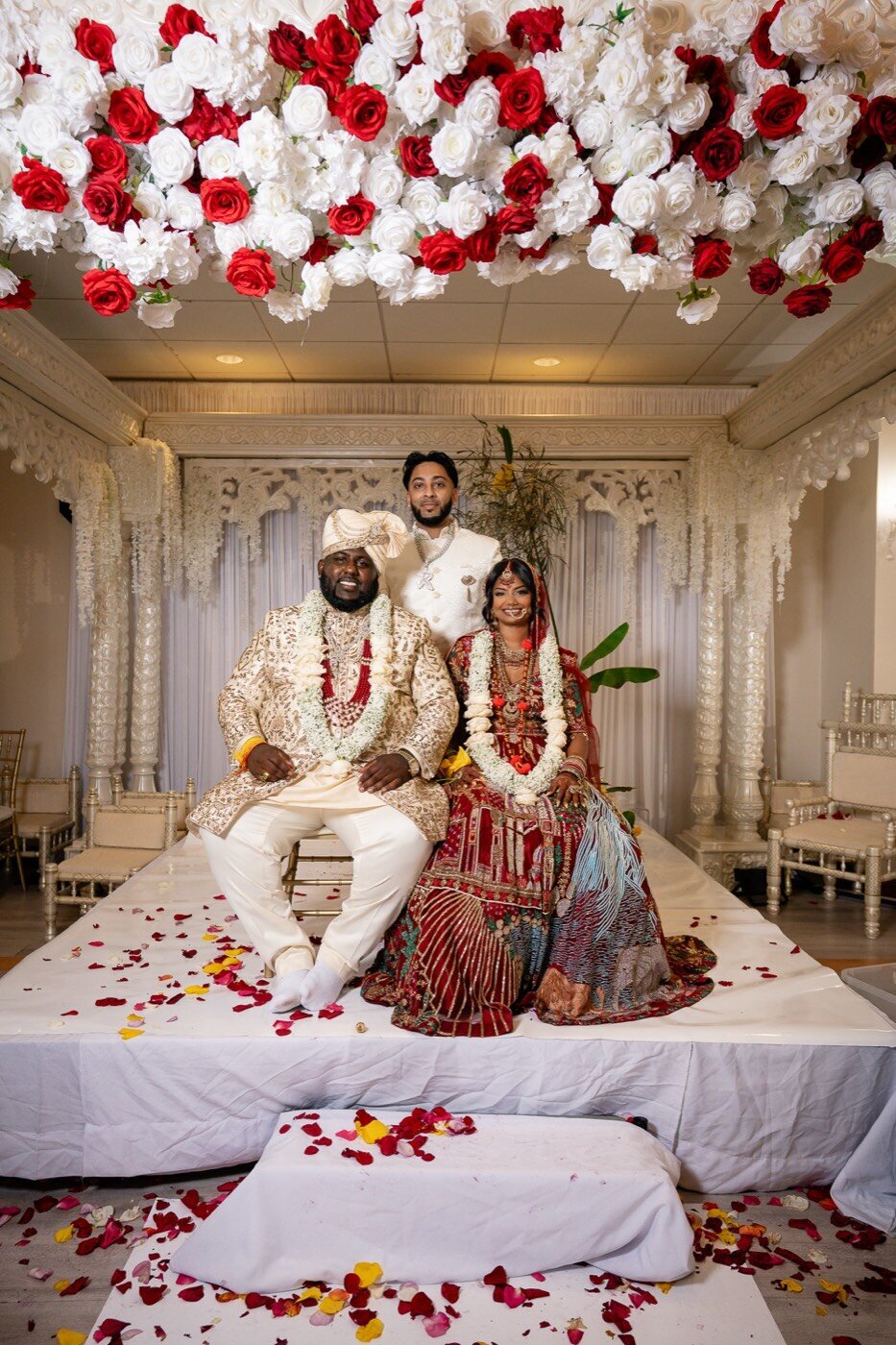
Our vendor partners, and why talking to us early saves you money
Over the years we've built relationships with trusted vendor partners in Central Florida. When couples talk to us early, before they've signed with everyone else, we can match them with partners who fit their style and budget, and pass on savings where our partners offer them. The earlier we're involved, the more of your plan we can shape together, instead of fixing gaps after contracts are signed.
What this looks like with us
- The Marvelous Experience (coordination, photo and film): from $10,000, growing with guest count and number of days.
- Full planning, month-of or day-of coordination: build what you need with Cynthia on a free Zoom.
- Photo + film only: from $6,500 for one day, or from $9,500 for a cultural weekend.
- Pre-wedding nights like the maticoor (matikor), mehndi or haldi: photo from $2,000, photo + film from $3,500.
Common questions
Is it better to hire a wedding planner and photographer from the same company? For most couples, yes. One team means one timeline, fewer missed moments and no vendors working against each other. You can still book any service on its own.
What does a wedding coordinator do on the wedding day? A coordinator runs the timeline and the vendors, so the couple and their family don't have to. With us, Cynthia also directs the photo and film team.
Do you plan and photograph multi-day Hindu weddings? Yes. We plan and capture Guyanese, Trini and Indian weddings from the first pre-wedding night to the kangan, plus church, civil and multicultural weddings.
How early should we contact you? As soon as you have a date or a season in mind. Talking to us before you sign other vendors lets us connect you with our partners and plan everything together.