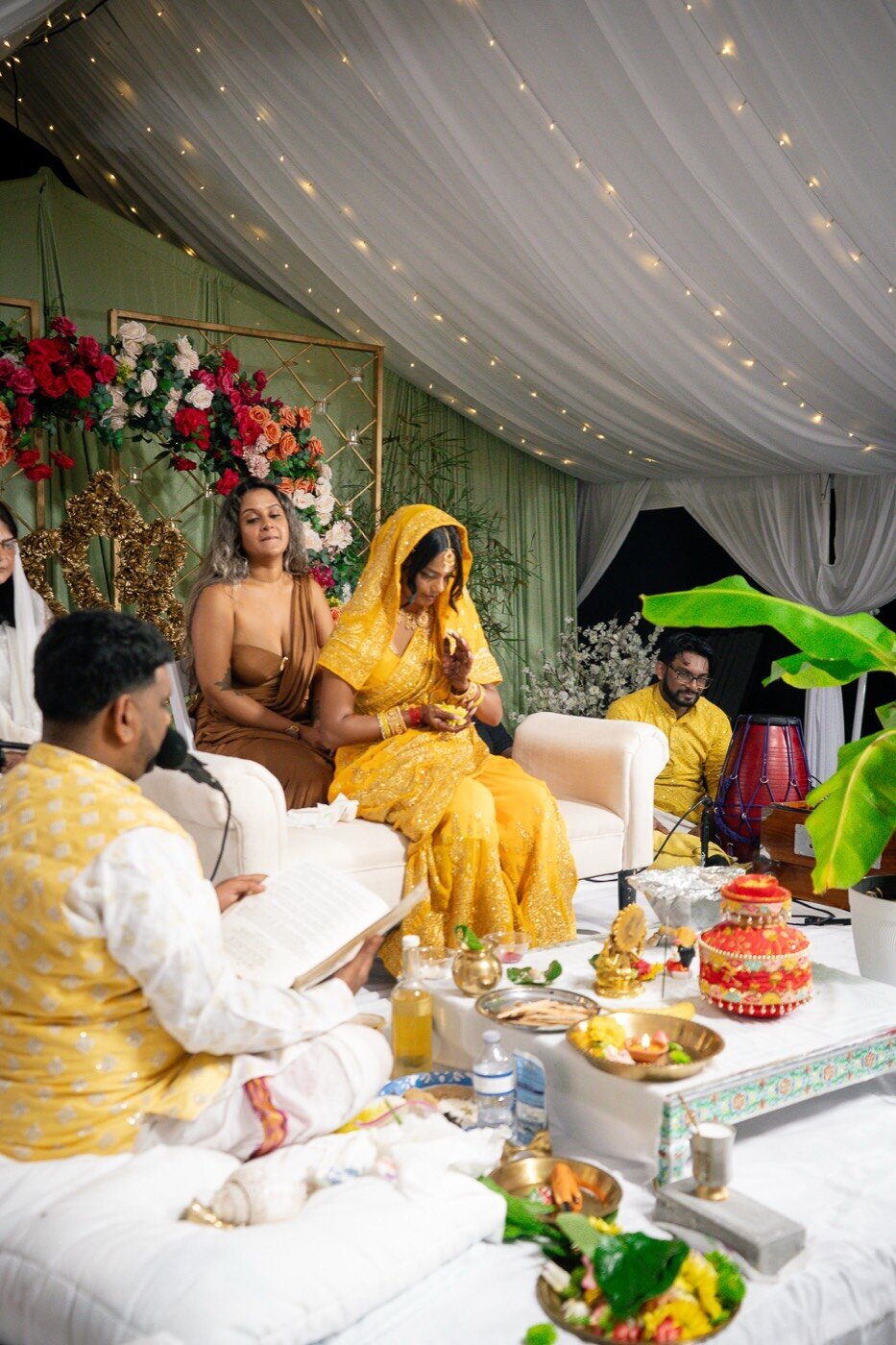
Short answer: a traditional Guyanese Hindu wedding usually runs over a weekend. It starts with the maticoor (matikor) on Friday, then a night of cooking on Saturday, when family makes the seven curry. The wedding is often Sunday: the baraat comes in to tassa drums, the ceremony happens at the mandap, and the vidaai is when the bride leaves with her new family. Many families finish with the kangan. Every family and every pundit (pandit) does it a little differently.
I'm Guyanese. I grew up at these weddings, and now I photograph and plan them in Florida. If you're new to this, or marrying into a Guyanese family, here's what to expect.
Where these traditions come from
Guyanese Hindu weddings come from the traditions Indian families brought to Guyana in the 1800s and early 1900s. The core Hindu rituals stayed, and Guyana added its own flavor: the maticoor, the tassa, the old Bhojpuri folk songs and chowtaal singing, and of course the food.
Want one team to plan and film your whole weekend? See the Marvelous Experience →
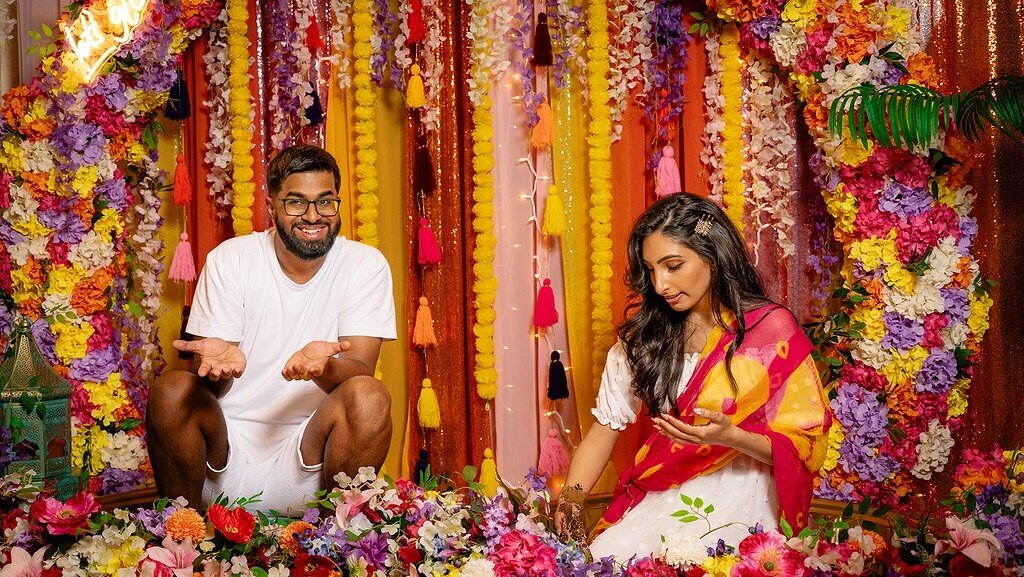
Friday: the maticoor (matikor)
The women's night. The bride's family and the groom's family usually hold their own, at their own homes.
- A young girl carries a tray of offerings, and the tassa drummers lead the ladies out to clean earth, often near water.
- The married women pray, one digs a little earth, and sindoor is shared among them.
- Then the dancing starts. The older women sing, tease the bride about married life and keep everyone laughing.
- Back home, the party keeps going, and the bride often gets her mehndi and haldi.
Full guide: What Is a Maticoor (Matikor)?
Saturday: cooking for the wedding
Family and friends come together to cook. Some folks still call it cook night. Big pots, everybody chopping, sweets being made, pholourie frying, and the seven curry getting ready for the next day. It's one of the warmest nights of the weekend, and it's where the uncles tell the best stories.
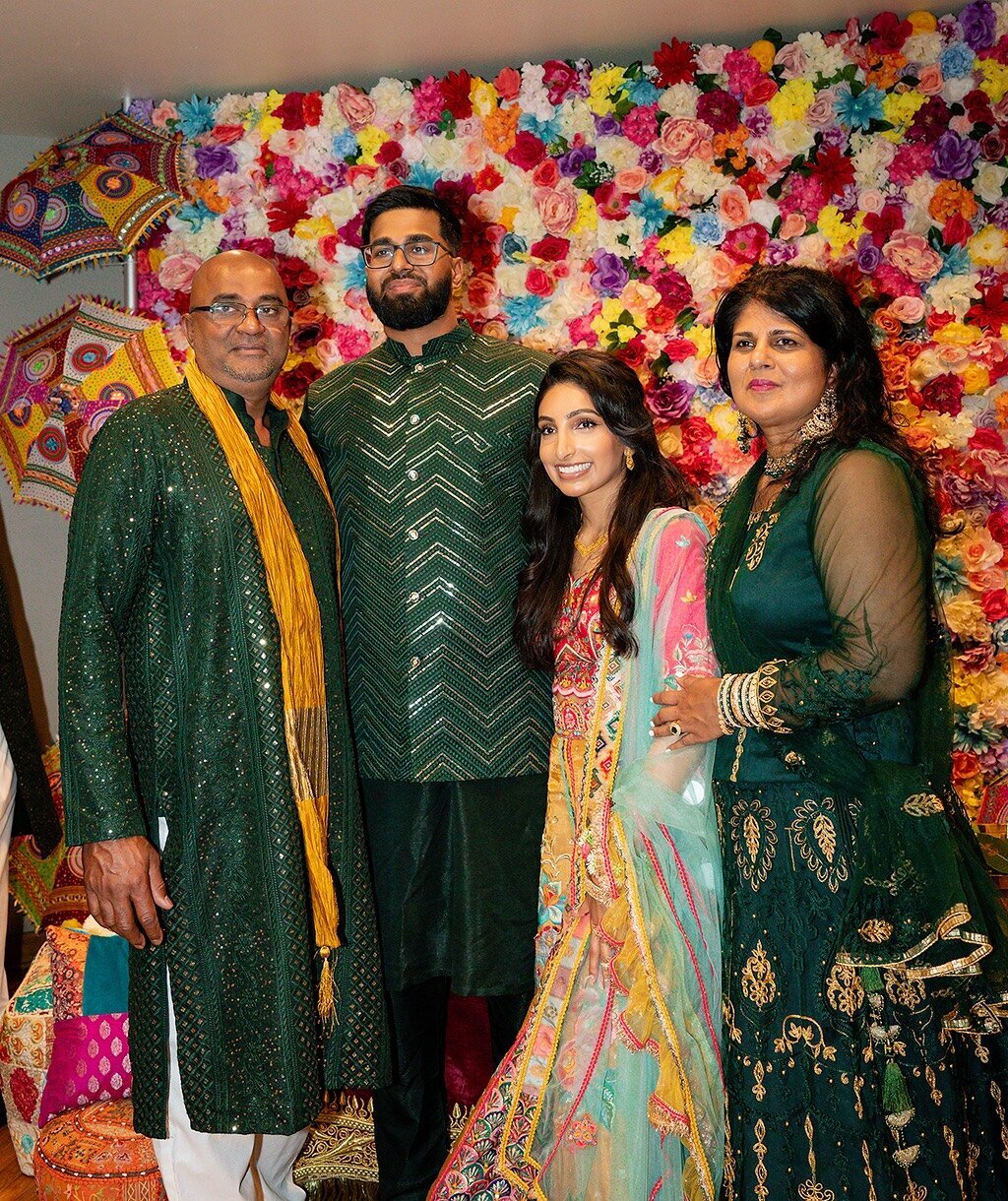
Sunday: the wedding (vivah)
- The baraat: the groom (dulaha) arrives with his family, led by the tassa.
- The welcome: the bride's family receives the groom, and in many weddings the couple exchange garlands (jaimala or varmala).
- The ceremony at the mandap: the bride (dulahin) and groom sit before the sacred fire (agni, in the havan kund) while the pundit leads the prayers. The bride's father gives her away (kanyadaan). The couple are tied together with a cloth, walk around the fire and make their vows, and the groom puts sindoor in the bride's hair.
- How long: usually 3 to 5 hours, depending on your pundit.
- The food: the seven curry, often served on a leaf, with rice, dhal and roti.
- The vidaai: the emotional goodbye. The bride throws rice over her shoulder as she leaves.
After the wedding: the welcome and the kangan
At the groom's home, his mother welcomes the couple. The bride may knock over a pot of rice for abundance and walk in leaving red footprints, and then the games start. In many families the kangan comes the day after the reception: small, family only, with games around the bracelets and a lot of laughing.
The reception
Some families host the reception right after the ceremony, and others hold it another day. This is where the chutney and soca come out, the tassa plays again, and everyone dances.
What to wear
- Bride: a red or pink sari or lehenga for the ceremony, often another look for the reception.
- Groom: a sherwani or kurta, often with a turban.
- Guests: Indian clothes are welcome. Bright colors are great, and keep it modest for the ceremony.
Planning a Guyanese wedding weekend in Florida
Four days, several setups, a pundit's timeline, food for hundreds and family flying in. We plan it as separate events. Read How to Plan a 3-Day Hindu Wedding Without the Stress.
Our lead planner, Cynthia, would add one step most families skip: a pre-meeting with the family, the pundit and the coordinator before the maticoor (matikor). "We can iron these things out, so there's an hour-by-hour, minute-by-minute breakdown of how this is going to go. Then find breathing room for the families, because this is extremely overwhelming." That includes the cook night, the tassa drummers' arrival time, and everything the pundit needs set out before each puja.
Common questions
How long is a Guyanese Hindu wedding? Usually a weekend: the maticoor on Friday, cooking on Saturday, the wedding on Sunday, and often the kangan after the reception.
What is the seven curry at a Guyanese wedding? A traditional meal of seven vegetable curries served at the wedding, often on a leaf with rice, dhal and roti.
What happens at a Guyanese maticoor? The women go out with offerings and tassa drums, pray to Mother Earth, dig a little earth, then sing and dance late into the night.
What is the kangan? A small family gathering after the wedding, with games around the couple's bracelets.